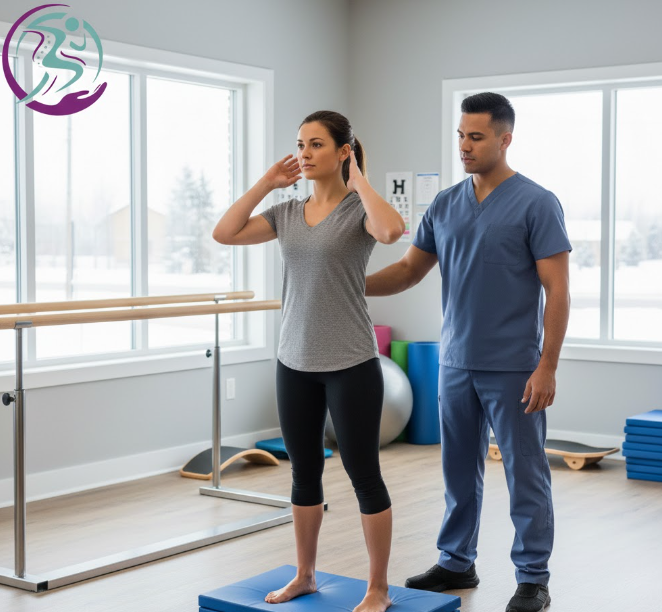
Concussion Physiotherapy in Edmonton for Balance Recovery
Recovering from a concussion is rarely straightforward. While headaches and fatigue are common early symptoms, many patients in Edmonton, Canada continue to struggle with balance issues, dizziness, blurred vision, and difficulty focusing weeks after the injury.
As clinicians working with post-concussion patients, we often see how untreated vestibular and visual dysfunction can delay recovery. Targeted concussion physiotherapy edmonton programs can help restore stability, reduce symptoms, and safely guide patients back to daily activities, work, and sport.
Why Balance and Vision Problems Occur After a Concussion
A concussion is a mild traumatic brain injury that disrupts normal brain function. The areas responsible for:
-
Eye coordination
-
Spatial awareness
-
Vestibular (inner ear) processing
-
Postural control
can become temporarily impaired.
This may result in:
-
Dizziness or vertigo
-
Motion sensitivity
-
Blurred or double vision
-
Difficulty reading or using screens
-
Feeling unsteady when walking
-
Headaches triggered by visual tasks
These symptoms are common in both sports-related injuries and motor vehicle accidents across Edmonton.
The Role of Concussion Physiotherapy
Effective rehabilitation goes beyond rest. Current research supports early, guided, and symptom-limited rehabilitation rather than prolonged inactivity.
A structured program in a qualified concussion rehab clinic edmonton typically includes:
1. Vestibular Rehabilitation
Focused exercises to retrain the brain’s balance system:
-
Gaze stabilization drills
-
Head movement coordination exercises
-
Gradual motion exposure
2. Vision Therapy Integration
When eye tracking or convergence is affected:
-
Oculomotor retraining
-
Smooth pursuit exercises
-
Convergence strengthening
3. Balance and Postural Training
-
Static and dynamic balance progressions
-
Proprioceptive retraining
-
Functional movement tasks
4. Graded Return-to-Activity Protocol
-
Safe cardiovascular reconditioning
-
Work/sport-specific progression
-
Monitoring symptom response
Each plan is individualized. No two concussions present the same way.
What to Expect During Your First Visit
When searching for concussion physiotherapy near me, it’s important to choose a clinic that performs comprehensive assessment.
A thorough evaluation should include:
-
Detailed injury history
-
Symptom severity scoring
-
Vestibular and ocular motor screening
-
Balance testing
-
Cervical spine assessment
Neck dysfunction often contributes to headaches and dizziness, so addressing cervical mobility and muscle control is essential.
How Long Does Recovery Take?
Recovery timelines vary based on:
-
Severity of injury
-
Previous concussion history
-
Age
-
Early management
-
Pre-existing vestibular or migraine conditions
Many patients improve within 2–6 weeks with structured care. Persistent symptoms beyond four weeks may require a more integrated rehabilitation approach involving physiotherapists, physicians, and, in some cases, neuro-optometric specialists.
In Edmonton, early access to evidence-based physiotherapy significantly reduces the risk of prolonged post-concussion syndrome.
When to Seek Professional Help
You should seek assessment if you experience:
-
Dizziness lasting more than 7–10 days
-
Visual strain when reading or using screens
-
Difficulty maintaining balance
-
Symptoms returning during exercise
-
Ongoing headaches or neck pain
Delaying care may prolong recovery and affect work productivity, school performance, or athletic participation.
Local Expertise Matters in Edmonton
Choosing a local clinic familiar with Alberta return-to-play and return-to-work guidelines ensures your recovery plan aligns with regional healthcare standards.
Clinics in Edmonton frequently collaborate with:
-
Family physicians
-
Sports medicine doctors
-
Insurance providers
-
School athletic programs
This coordinated care supports safe, structured reintegration into daily life.
Key Takeaways
-
Balance and vision problems are common after concussion.
-
Rest alone is no longer considered sufficient treatment.
-
Vestibular and oculomotor rehabilitation improves recovery outcomes.
-
Early intervention reduces prolonged symptoms.
-
Individualized care plans are essential.
If you’re experiencing lingering dizziness or visual strain after a head injury, timely physiotherapy assessment can help guide your recovery safely and effectively.
FAQs: Concussion Physiotherapy in Edmonton
1. How soon should I start concussion physiotherapy in Edmonton?
Most patients benefit from assessment within the first 7–14 days if symptoms persist. Early, guided rehabilitation supports faster recovery.
2. Can physiotherapy help with post-concussion dizziness?
Yes. Vestibular rehabilitation is specifically designed to address dizziness, motion sensitivity, and balance dysfunction.
3. Do I need a referral to visit a concussion rehab clinic in Edmonton?
In most cases, you do not need a physician referral to see a physiotherapist in Alberta, though insurance plans may require one.
4. What if my vision problems continue after treatment?
Persistent visual symptoms may require collaborative care with a neuro-optometrist. Your physiotherapist can coordinate appropriate referral if needed.
5. Is exercise safe after a concussion?
Yes, when properly supervised. Graded aerobic exercise below symptom threshold is supported by current clinical guidelines.
Post a comment